
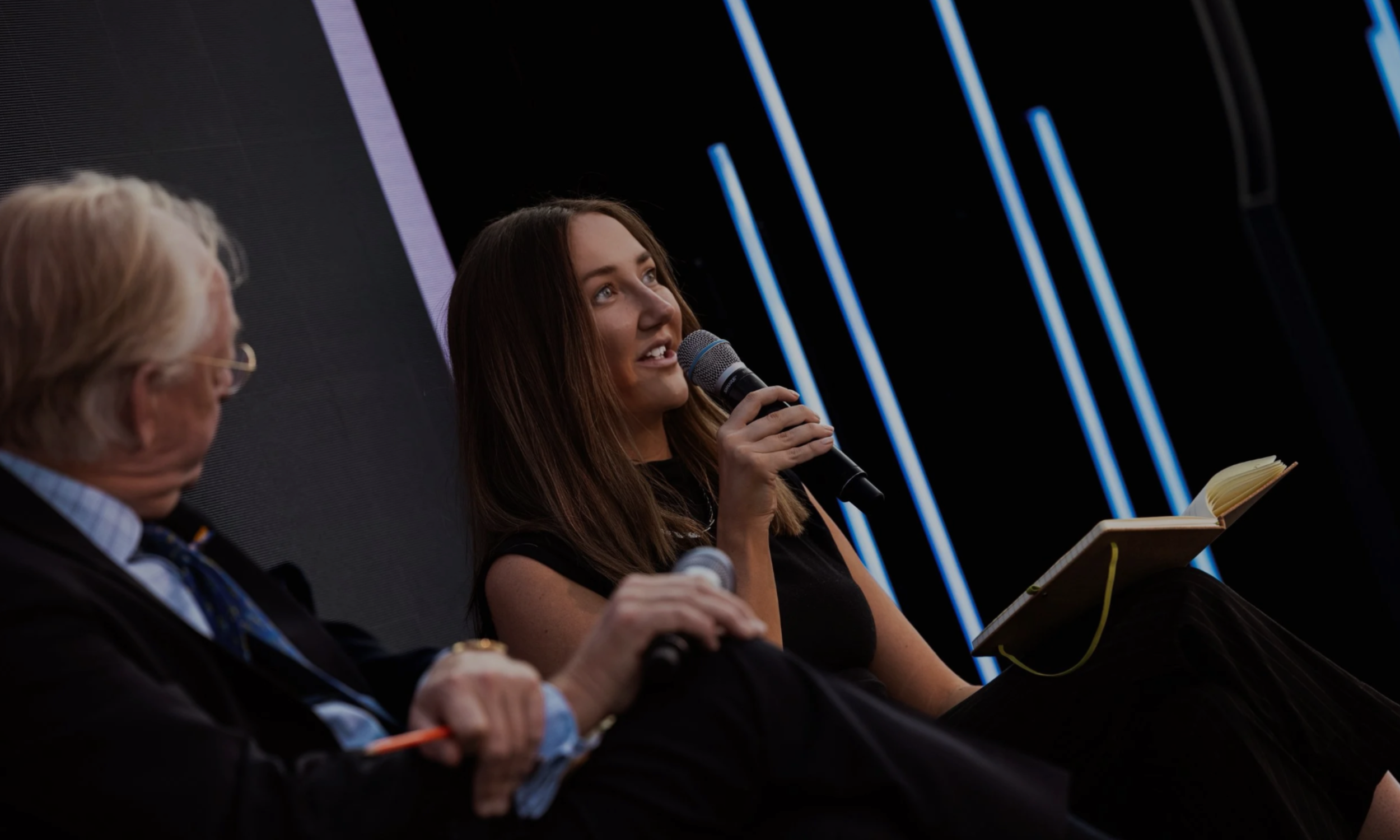
Confidential crisis PR and reputation management
For public figures, founders, creators and brands who need to build, manage or protect their reputation.
I work across proactive PR, media relations, reputation management and crisis communications, with particular expertise in situations involving press scrutiny, online backlash or issues that may become public.
Sometimes I'm brought in because something has gone wrong. Sometimes I'm there because things are going right and somebody wants to manage their public profile properly.






What I offer
-
When something has happened, may become public or is already spreading, I help you understand the situation, decide what needs attention and manage the response.
That can include handling journalist enquiries, writing statements, preparing messages for employees or customers, working alongside lawyers and responding to online backlash. We consider what is known, who is affected and how each decision could influence what happens next.
You work directly with me throughout, with clear advice and practical help as things develop. Support can cover the immediate situation and the longer work of rebuilding confidence and addressing what remains online.
-
For businesses, founders and public figures who want to become better known, reach new audiences or strengthen their public profile.
I help identify the stories worth telling, develop your messaging and approach relevant journalists, editors and producers. Our work might include press coverage, interviews, founder profiles, expert commentary, opinion pieces, podcasts or a company launch.
We start with what you want PR to achieve and who you need to reach. I then manage the media approach and help you prepare for the opportunities that follow, whether that is a specialist trade interview or a national broadcast appearance. You can work with me on a defined project or ongoing PR support.
-
What people find when they search your name can influence whether they contact you, work with you or trust what you say. Sometimes that information is inaccurate, outdated or missing the context that would help someone understand it properly.
I review how you or your business appear across search results, online coverage and answers generated by AI tools. From there, I identify what can realistically be addressed and where stronger, more accurate information is needed.
The work can include requesting corrections, seeking removal or de-indexing where appropriate, improving your own online material and developing credible sources that reflect your work today. The aim is a more accurate and representative public presence, with clear expectations about what can change.
-
Sometimes you need an experienced second opinion before making a decision. You might be preparing an announcement, responding to criticism, considering an interview or wondering whether something needs a response at all.
I research the background before we speak, then spend an hour with you working through the situation. We can review draft wording, explore your options and identify the next steps that make sense.
Afterwards, I send a written summary of my advice so you have something practical to refer back to. The complete session is £500, including preparation, the call and the follow-up. It can be booked on its own, without ongoing support.
-
Book me for a keynote talk, an interactive workshop, a private team briefing or a company away day exploring PR, reputation and how people make decisions under pressure.
We can examine why apologies fail, practise difficult interviews, develop the story behind your business or put your team inside a fictional crisis. What happens when a journalist wants an answer, employees disagree and a screenshot changes the conversation? Working through those moments gives people a chance to question assumptions and understand each other’s responsibilities.
I lead every session personally and tailor it to your audience and objectives. Formats range from a talk with questions to a half-day or full-day programme, in person or online, with practical discussion and takeaways your team can use afterwards.
-
I help businesses work out what to say and write the words they need. That might be a customer email explaining a price increase, a leadership announcement, website copy or something more sensitive, such as communicating redundancies, responding to negative press or addressing a legal dispute that has become public.
You can bring me a draft to improve or ask me to develop the message from scratch. I consider who will read it, what they need to know, how the wording could be interpreted and which questions it is likely to prompt. This is particularly important when communicating difficult decisions or dealing with situations where the wrong wording could create further problems.
For more complex situations, I can help plan when and how information should be shared, prepare separate messages for staff, customers, stakeholders or the media, and work alongside legal advisers where necessary. Whether you need a single statement, a complete set of communications or ongoing support, the aim is to make sure your message is clear, considered and appropriate for the situation.
How I work
I've never treated crisis PR as separate from reputation management. The same things decide both: what journalists understand, what gets published, what people find when they search your name, and what's still there a year later.
So the work takes different shapes. Sometimes I'm building a profile from the start, handling media relations and making sure you're understood accurately. Sometimes there's already a difficult story, a pile-on or real scrutiny to deal with. Most of the time it's somewhere in between.
Crisis is my specialism, but you don't need to be in one to work with me.
Three paragraphs instead of four, and the idea that sets you apart is now the first thing they read rather than the third.
One thought on the pair of sections: this one and "Most of this work happens in search results" both end on what lasts online. That repetition is fine if they're far apart on the page, but if they sit next to each other, cut "and what's still there a year later" from this one and let the search section carry it.
The work that outlasts the headline
People think crisis PR is statements and media training. The bigger part is what someone finds when they search your name six months later.
That has changed. Search decides which pages rank. AI tools decide which sources they trust when someone asks about you, and that answer is now the first thing most people read. They are two different jobs and they need to be worked separately.
So alongside the press work, I spend my time on search results, backlinks, takedowns, de-indexing and what the AI models are saying. It's slow and it isn't glamorous. It's also the part that changes the story.
Press and commentary
-
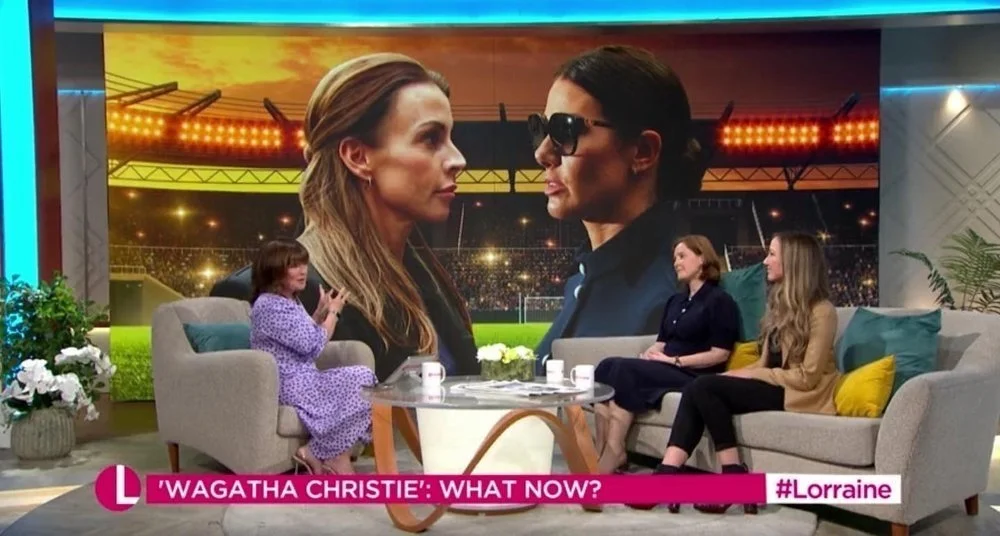
I provide commentary on crisis PR, reputation, celebrity controversies, political communications, public apologies and online backlash. My focus is on explaining the decisions behind a story: why a response may have landed badly, what the different parties are trying to achieve and what could happen next.
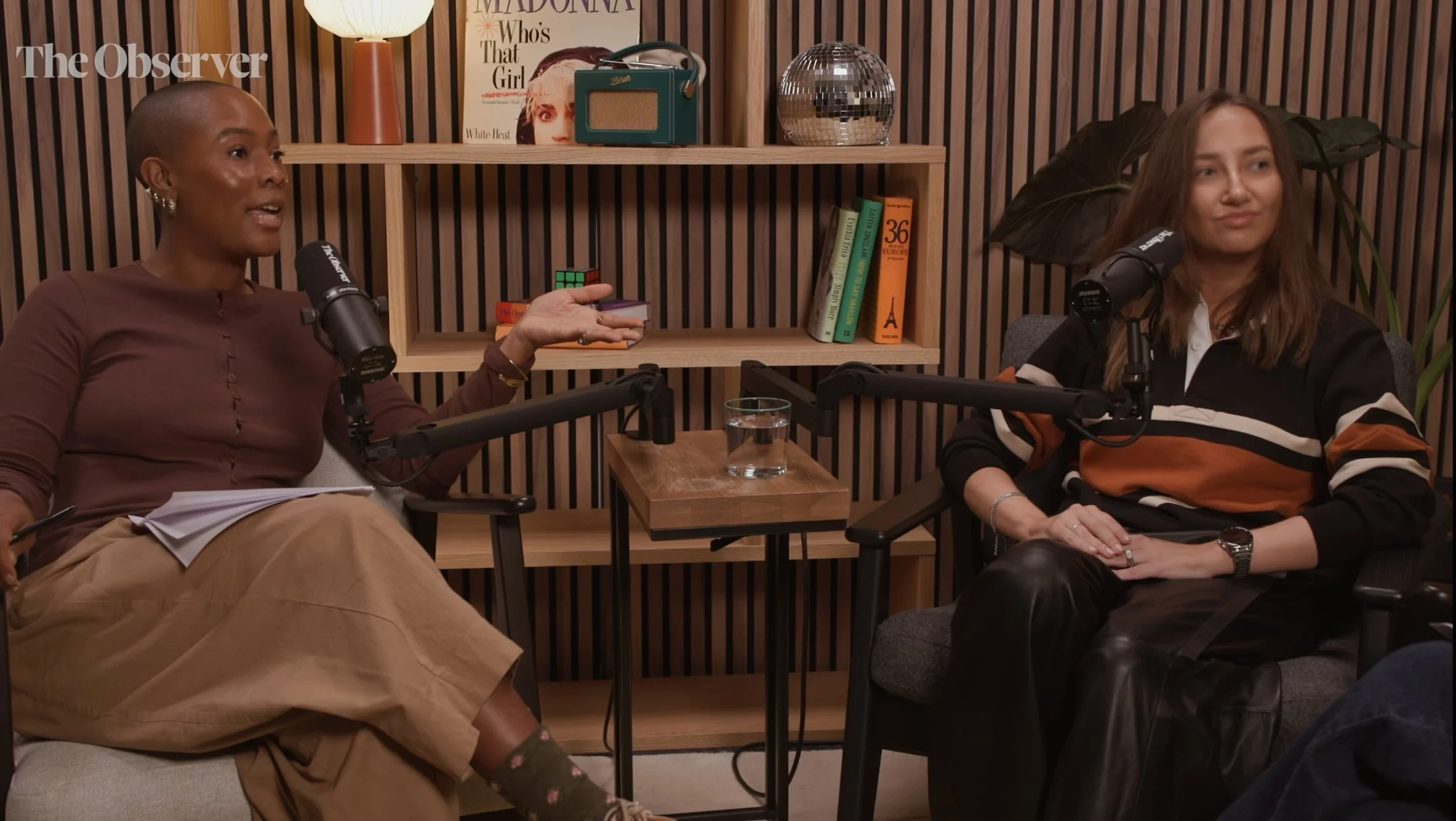
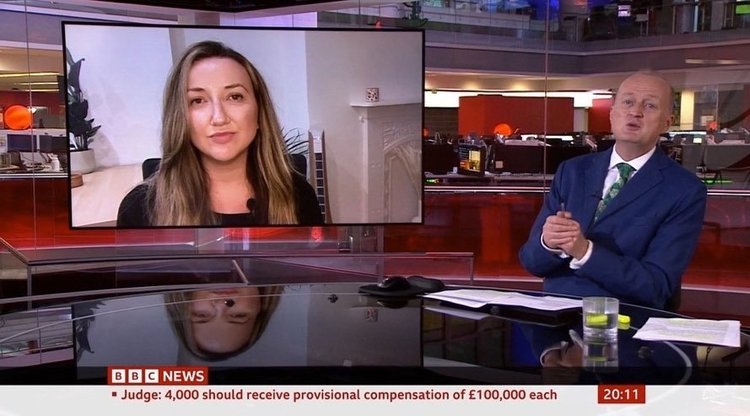
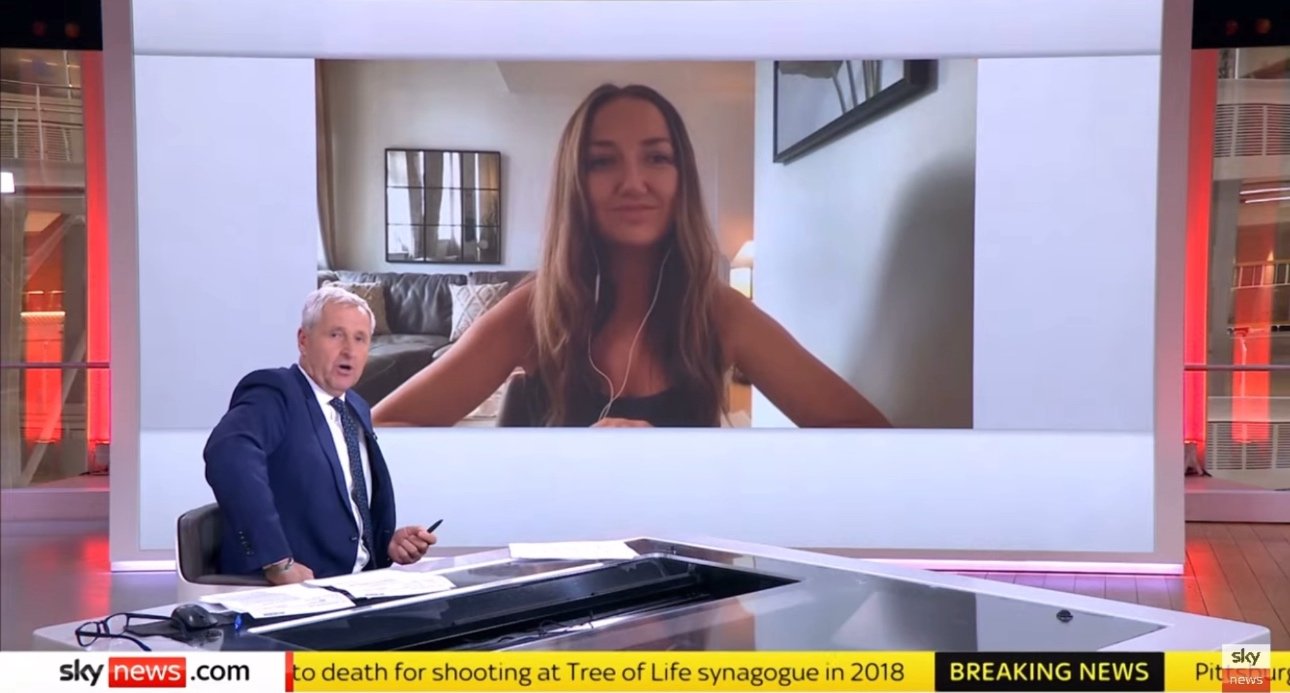
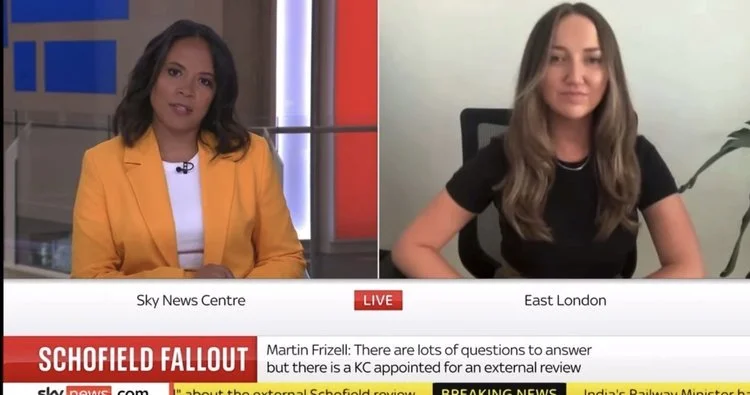
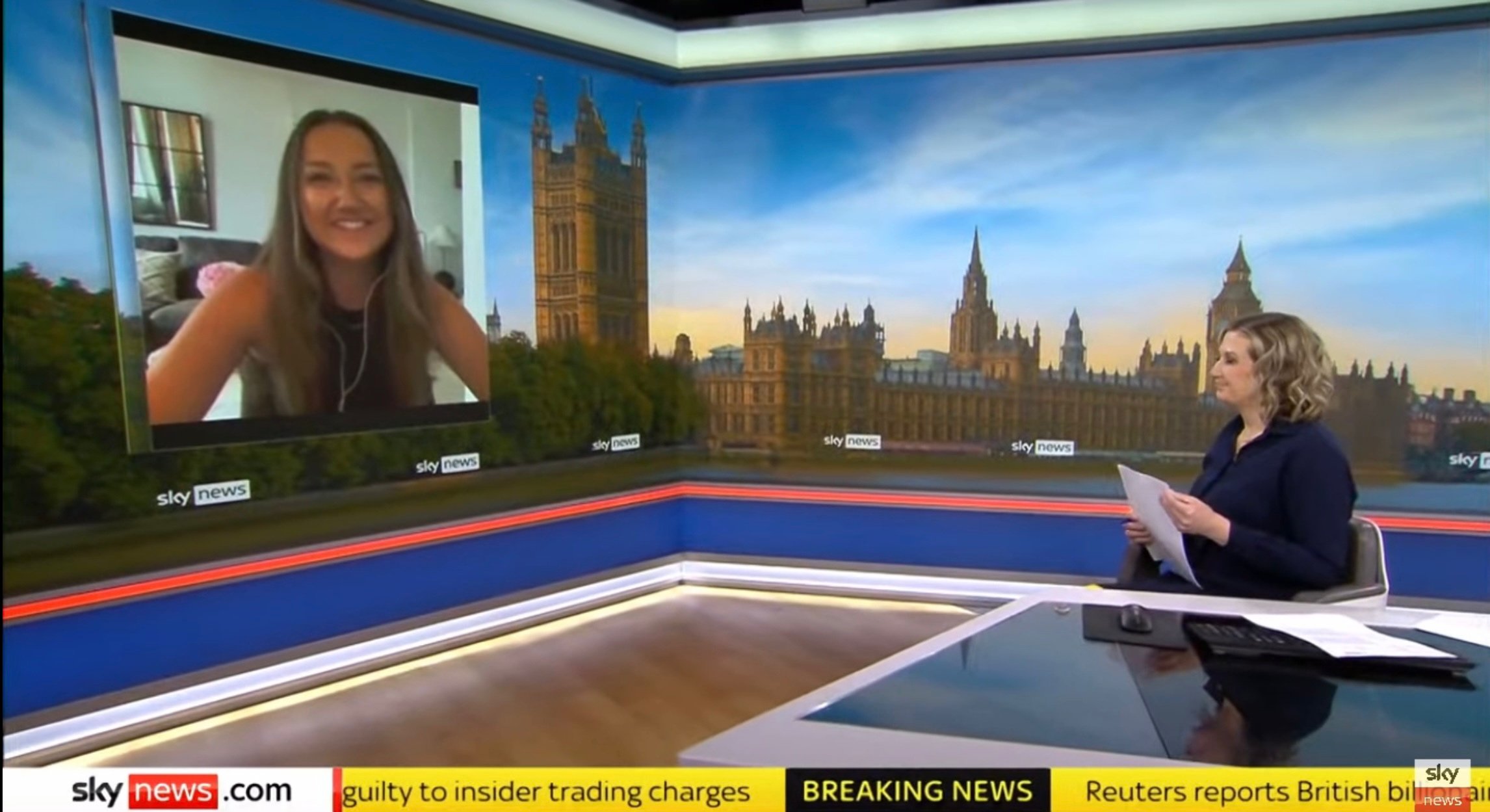
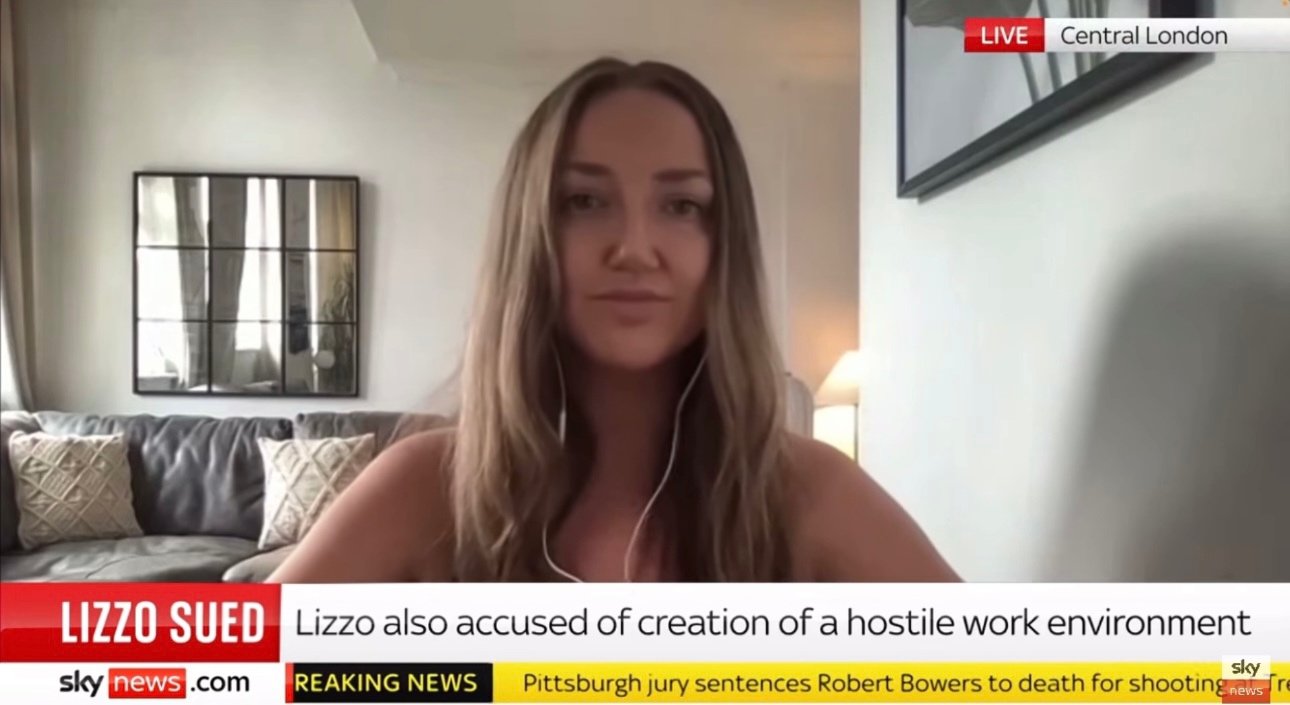
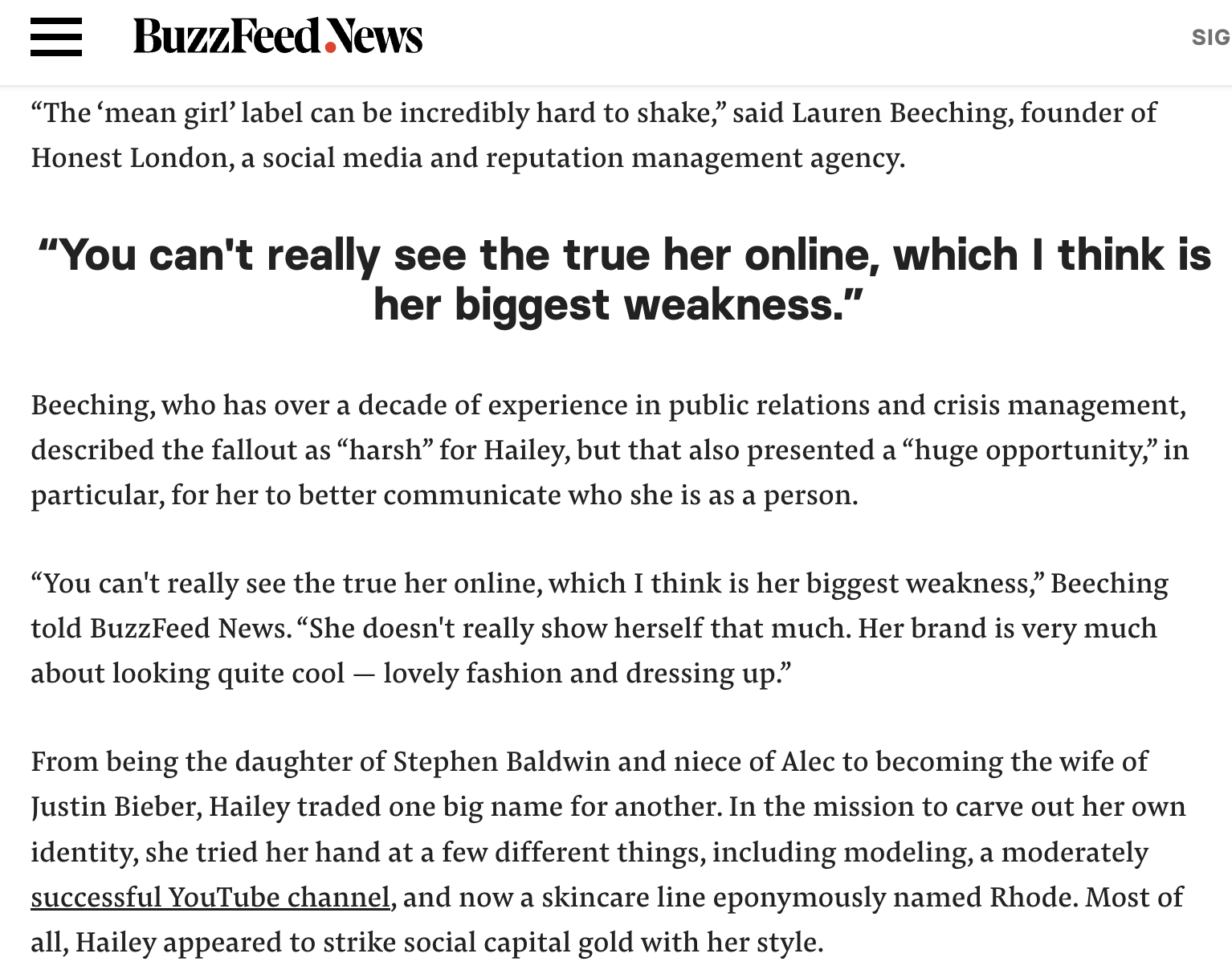
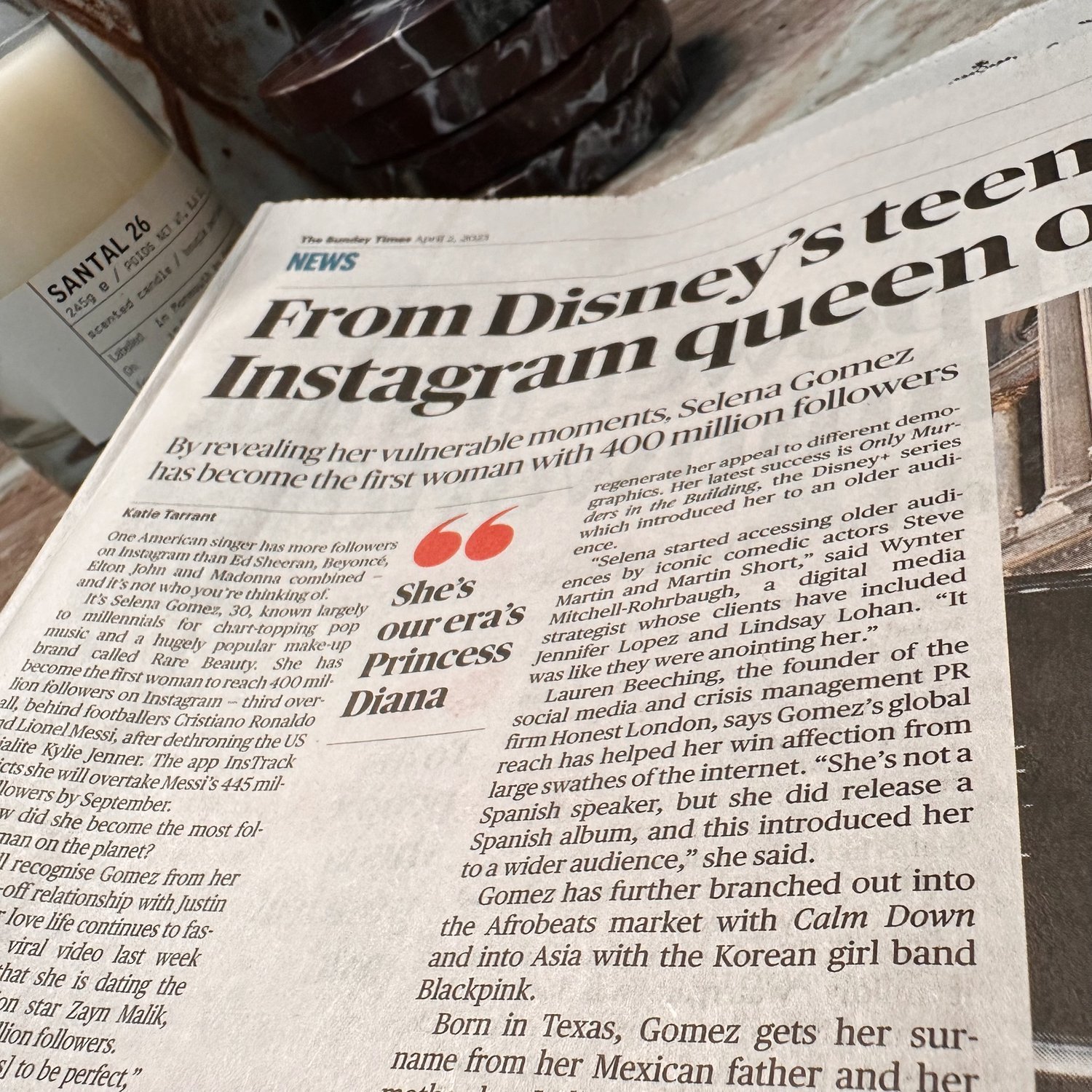
I regularly co-host BBC Radio 4’s When It Hits the Fan. My television, radio and press contributions include BBC News, Sky News, ITV, Channel 4, The Times, The Sunday Times and The New York Times.
I am used to discussing developing stories, working to tight deadlines and making complicated situations understandable. Commentary draws on the public information available, with a clear distinction between what is known and what is interpretation.
For an interview or comment request, send the outlet, subject, format and deadline, along with any proposed recording or broadcast time.
-
I speak at conferences, business events, panels and private gatherings about PR, reputation and the way public opinion forms.
Topics can range from why apologies fail and how a single clip changes someone’s reputation to the decisions businesses face when employees, customers and leadership see an issue differently. I tailor the subject and level of detail to the audience, making the discussion relevant to the people in the room.
You can book a keynote, a fireside conversation, a panel contribution or a private briefing with questions. My speaking engagements have included Littler’s European Executive Employer Conference and Soho House.
Sessions are available in person or online. Tell me about your event, audience and what you would like people to take away, and I will suggest a suitable approach.
-
Practical sessions for leadership teams, communications and marketing departments, HR professionals and people representing a business publicly.
We can work on interview preparation, planning an announcement, handling journalist enquiries or recognising when an online issue needs attention. A session might focus on one challenge or bring colleagues together to explore how their decisions affect the wider organisation.
For something more interactive, I can put your team inside a fictional crisis. New information arrives, people disagree and a response needs approving. We work through the decisions together, then discuss where responsibilities were unclear, what helped and what could be prepared in advance.
These exercises can form part of a company away day or a standalone workshop. I lead each session personally, in person or online, with the format and practical takeaways agreed around your objectives.
-
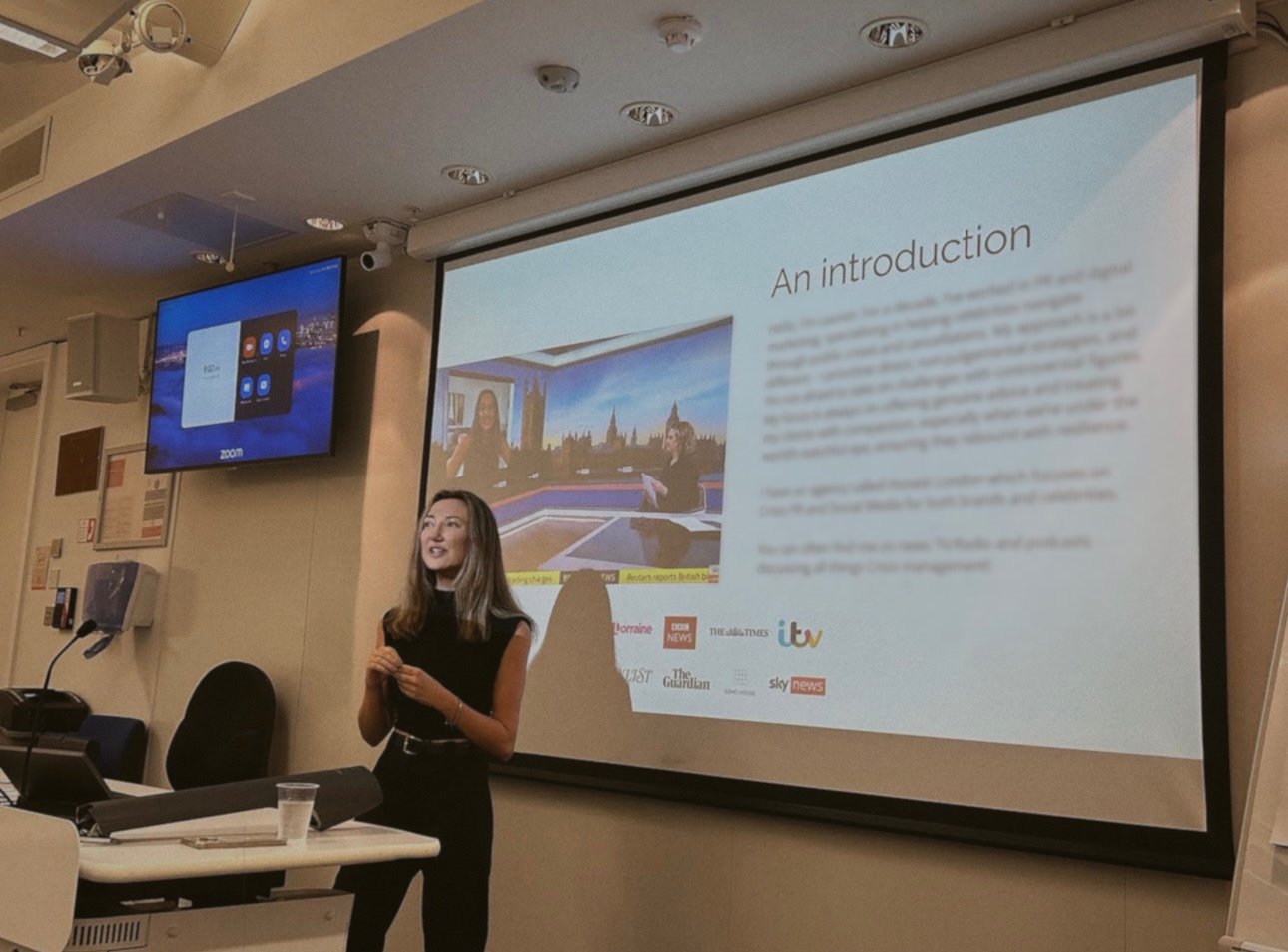
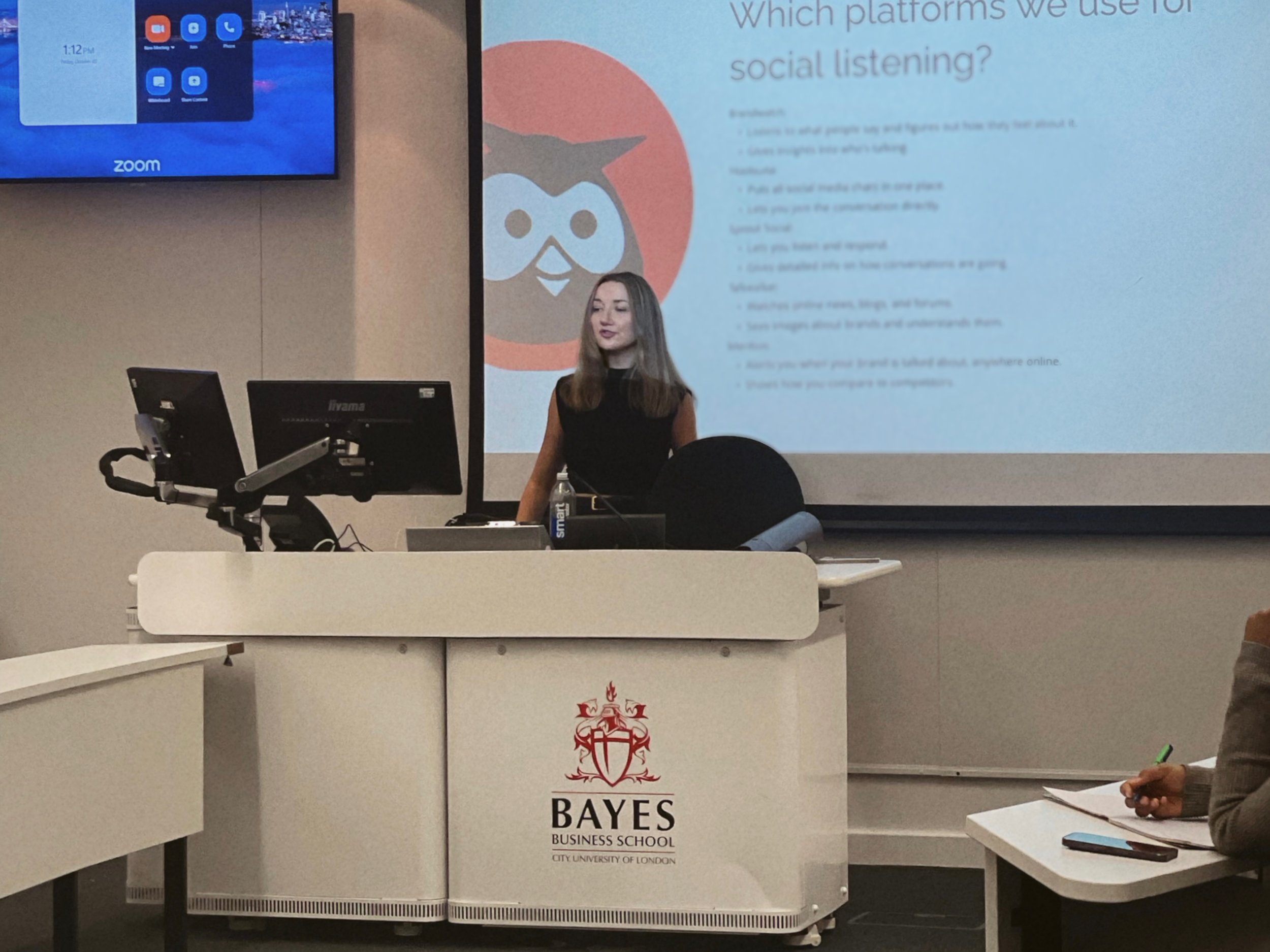
I guest lecture on crisis PR, media relations, reputation management and the psychology of online backlash. My teaching engagements have included UCL and Bayes Business School.
Sessions connect the theory with the decisions people face in practice. What happens when the facts are incomplete? How do you advise someone who disagrees with you? What does a journalist need, and how does a public response change as a story develops?
Using public cases and fictional scenarios, I help students examine competing perspectives and explain the reasoning behind their recommendations. Sessions can include a lecture, discussion, practical exercise or a combination of all three.
Content can be adapted for students studying PR, communications, journalism, marketing, business or media. Share the course, level of study and learning objectives so I can shape the session appropriately.
-
I advise writers and producers on how crisis PR, media pressure and reputational fallout work in real life. My consultancy work has included productions for the BBC, Channel 4, Netflix and HBO.
I can contribute during development, review a storyline or script, and help make the response to a scandal feel believable. That includes the conversations between a public figure, their publicist, lawyers, journalists and management team, and the competing pressures shaping their decisions.
We might explore who would be contacted first, how a press enquiry would be handled, what could realistically happen before a deadline or why a character’s attempt to protect themselves would make matters worse.
Support can range from a focused consultation to a more detailed review, with the scope agreed around your production. My client work remains confidential; the advice draws on professional practice without exposing private cases.
Journalists working to deadline, mark your email urgent and you'll get a same-day response.






























Guides
Practical guides drawn from real crisis work, written for moments when bringing in professional support isn't possible, or doesn't feel necessary yet. Sometimes having informed context is enough to decide what, if anything, to do next.
What to do if you're being cancelled - £50
When your small business is cancelled- £25
How to support someone who's being cancelled - £25
What to do when you're being discussed on Reddit or Tattle - £20
If something's happening, or you think it might be
The first call is free and there's no obligation afterwards. You don't need to have worked out what you want to do, or have all the facts straight.
If you'd rather not put anything in writing yet, say so and we'll arrange a call instead.
